The Stop Light system grew out of early organized BDSM communities in the 1970s and 1980s. During this time, leather clubs and kink organizations were developing shared language around consent, communication, and safe play. Many groups had their own safewords, but the problem was obvious: if every partner or club used different words, it could create confusion or hesitation during high-intensity scenes.
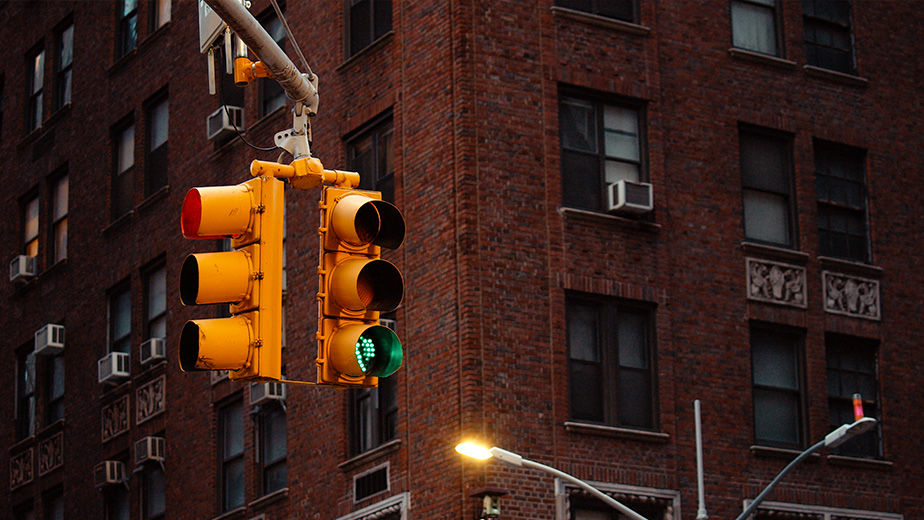
As the leather scene grew, educators and dungeon monitors started teaching a simplified, color-based system. Green, yellow, and red were already universally understood concepts thanks to traffic lights, and they mapped naturally onto levels of intensity and comfort. It was clear, fast, and nearly impossible to misinterpret.
By the late 1980s and early 1990s, the Stop Light system was being used in leather organizations, early kink conferences, and structured BDSM classes. The rise of the internet and nationwide events like Living in Leather, TES Fest, Black Rose, and later DomCon helped cement the system as a national standard. Educators adopted it because it made consent training consistent across clubs, scenes, and skill levels.
Today the Stop Light system is the most widely taught safeword structure in the United States and is recognized throughout much of the global kink community. Even groups that have additional or unique safewords will still default to the color system when playing with new partners or in public dungeons, because it removes uncertainty and creates a shared baseline for safety.
References:
Townsend, L. The Leatherman’s Handbook.
Easton, D. & Hardy, J. The New Topping Book and The New Bottoming Book.
Wiseman, J. SM 101: A Realistic Introduction.
National Coalition for Sexual Freedom, BDSM Resource Guide.
TES New York Education Archives.
Black Rose Dungeon Rules and Training Materials.
Living in Leather Conference Notes (1986–1998).